Getting Around Copenhagen: Bike, Metro, Bus & Walking Compared
See prices From 53.37 EUR · Free cancellation available
Contents
Getting around Copenhagen usually comes down to four real options: cycling, the Metro, the bus network, or walking, and I would not pretend one of them wins in every situation. Copenhagen is flat, compact and genuinely built around bikes, which is why cycling ends up being the right call more often than in almost any other capital city, but it is not automatically the right call every single time. Every price, rule and transit detail below is written to stay accurate as timetables shift, so check the live schedule or fare on the day rather than treating any number here as fixed. If you want to turn this into an actual day on a bike instead of just background reading, you can see how long each of Copenhagen’s eight guided bike tours runs and what’s actually included once you know how the city’s transport options fit together.
How Do Cycling, Metro, Bus and Walking Actually Compare?
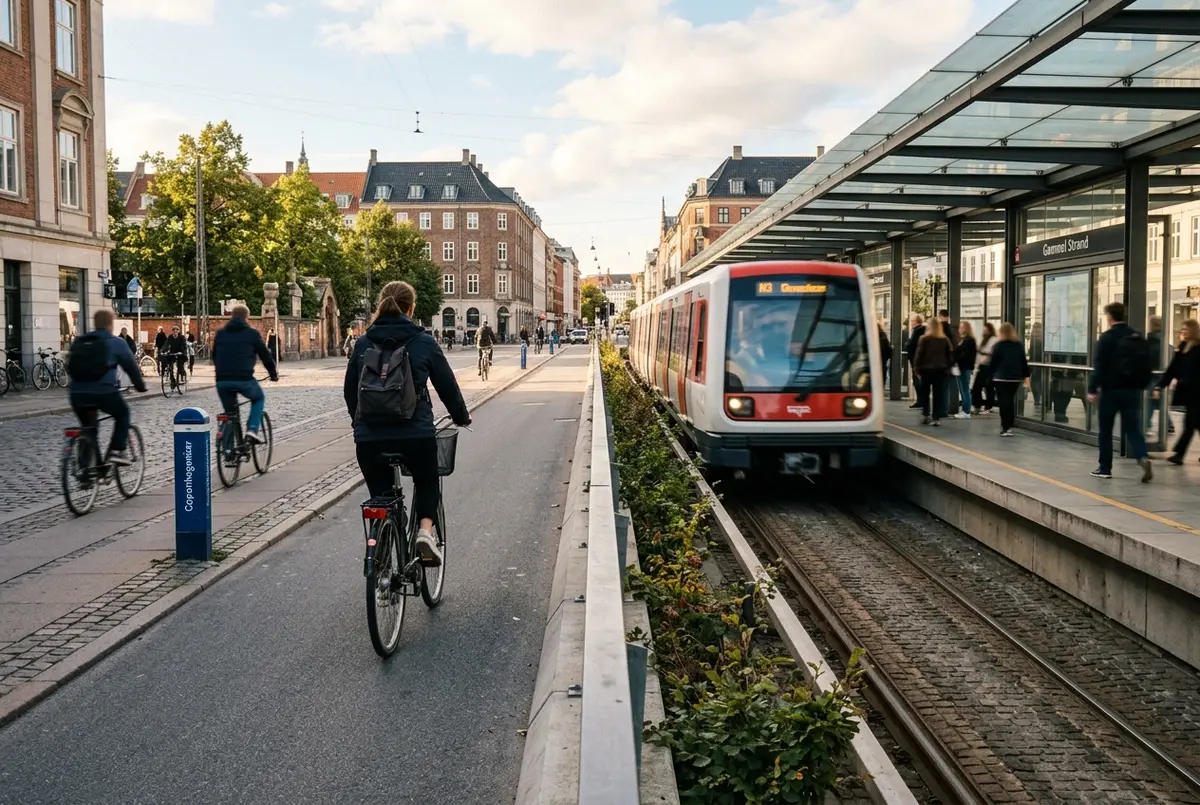
Cycling wins on flexibility and speed for most central trips, the Metro wins on reliability when weather turns bad, the bus fills gaps the Metro doesn’t reach, and walking works fine for anything under about 20 minutes. I would not default to one option out of habit, since the right choice genuinely shifts based on your luggage, the weather and how far you’re actually going that day.
Check prices & dates
Ready to visit?
Book your tickets in advance: popular time slots sell out.
Is the Metro the Fastest Way to Get Around Copenhagen?
For specific routes, yes, especially anything crossing the harbor or running late at night when the Metro’s driverless trains run on a frequent schedule around the clock. I would pick the Metro over a bike for a long cross-town trip with bags, or for a late return when you would rather not navigate unfamiliar streets in the dark. The trade-off is coverage: the Metro network, while expanding, still has gaps a bike covers more directly.
When Does a Bus Actually Beat the Metro or a Bike?
When your destination sits between Metro stations or along a route the bike lanes don’t serve directly. Copenhagen’s bus network fills in exactly those gaps, and I would use it for a specific point-to-point trip rather than general sightseeing, since buses move slower than the Metro and lack a bike’s flexibility to stop wherever you want. It is the option I reach for least, honestly, but it is genuinely useful for the right trip.
Is Walking Realistic as Your Main Way to Get Around?
Only within a tight radius. Central Copenhagen’s core sights, Nyhavn, the City Hall Square, Strøget’s shopping street, sit close enough together that walking between two or three of them in an afternoon is entirely reasonable. I would not try to walk the whole city, though, since distances between neighborhoods add up fast, and a bike covers the same ground in a fraction of the time with far less effort.
Why Does Almost Every Visitor End Up on a Bike Anyway?
Because the infrastructure makes it genuinely easy rather than something you have to brave. Protected lanes run alongside most major streets, intersections prioritize cyclists with their own signals, and the whole city sits flat enough that hills are never a real factor. My cycling in Copenhagen guide goes deeper into why half of all trips to work or school here happen by bike, which tells you everything about how normal this actually feels once you try it.
Roughly How Much Does Each Option Actually Cost?
This shifts with fares and demand, so I would always check the live price rather than trust an old number, but the general order holds steady: walking costs nothing, a single Metro or bus ticket runs a modest flat fare within the city zones, and a bike, whether a short-term rental or a guided tour, costs more upfront but replaces several individual transit fares across a full day of sightseeing. I would compare a day of transit tickets against a single bike rental or tour price before assuming cycling is automatically the pricier option, since for a full day of sightseeing it often is not.
Do You Need a Physical Ticket, or Can You Use an App?
Copenhagen’s public transit runs on a zone-based system with both a physical travel card and a phone app covering the Metro, bus and train network under one ticket. I would set up the app before you land if your phone works internationally, since buying a ticket on your phone at a platform beats fumbling with an unfamiliar machine while a train is pulling in. A physical card still works fine if you would rather not rely on a phone for tickets.
What About Travelers With Mobility Needs or a Lot of Luggage?
The Metro is the strongest option here by a clear margin. Stations were built relatively recently with elevators as standard, which matters far more than it sounds once you are moving between levels with a wheelchair, a stroller or several heavy bags. I would avoid cycling entirely for this kind of trip, since even Copenhagen’s excellent bike infrastructure assumes you can physically handle a bike and whatever you’re carrying on it. Buses also accommodate wheelchairs and strollers, though with less consistency station to station than the Metro’s purpose-built design.
Is It Worth Renting a Bike for the Whole Trip, or Just Using Transit?
Depends on how many days you have and how much ground you want to cover. For a single day focused on the city center’s core sights, I would lean toward a guided tour or a short rental over buying multiple transit tickets, since the bike covers the same ground with more flexibility to stop where you want. For a longer stay with day trips further out, mixing a bike for central days with transit for longer hops, covered in the cycling day trips from Copenhagen guide, tends to work better than committing fully to one option for the entire visit.
Does Cycling Make Sense for Every Kind of Traveler?
Not quite every kind, and I would be upfront about that rather than oversell it. A nervous first-time cyclist, someone with a physical limitation that makes balancing on a bike difficult, or a traveler who simply does not enjoy cycling gets little benefit from forcing the issue just because the city is famous for it. Transit and walking cover the same sights perfectly well for anyone in that position, and a guided bike tour’s slower, supervised pace is still worth considering even for a cautious rider before writing cycling off entirely.
When Is Cycling Actually the Wrong Call?
Straight off a flight with luggage, during genuinely bad weather, or on a route that crosses a stretch of the city you don’t know well in the dark. I would be honest about this rather than overselling cycling as the answer to everything, and the airport run specifically is covered in more depth further down this guide, since it is the clearest case where the Metro beats a bike regardless of how confident a cyclist you are.
How Does Copenhagen’s Bike Infrastructure Make This an Easy Choice?
Dedicated cycling superhighways connect the suburbs to the center, raised bike lanes separate cyclists physically from car traffic on most major roads, and bike parking is genuinely everywhere, not an afterthought bolted onto a car-first street grid. I would call this the single biggest reason cycling edges out the alternatives here, since the same decision in a city without this infrastructure would come out very differently.
Can You Mix Cycling With the Metro or Train for Longer Trips?
Yes, and I think more visitors should consider this than actually do. Pairing a short Metro or train leg with cycling lets you skip the slow part of a longer trip while still covering the interesting ground on two wheels. There are rules around peak-hour restrictions and ticketing worth knowing first, covered in the bike rental guide’s Metro and train rules, which I would read before assuming you can just wheel a bike onto any train at any time.
Is It Safe to Cycle Around Copenhagen at Night?
Generally, yes, more so than in most capital cities, though I would still take real precautions rather than assume the city’s reputation covers you automatically. My cycling safety at night guide covers lighting rules and which routes stay genuinely well lit, since a well-lit main street and a quiet side path are not the same experience after dark.
Does the Time of Year Change Which Option Makes Sense?
Noticeably, yes. Cold, wet or short-daylight months tip the balance toward the Metro and bus more than a sunny summer afternoon does, when cycling is close to unbeatable. My best time to visit Copenhagen for cycling guide breaks this down month by month with real temperature and daylight data, which I would check before locking in how much of your trip you plan to spend on two wheels.
Do Public Holidays or Big Events Change How Crowded Things Get?
Yes, in ways that catch first-time visitors off guard. Danish public holidays and school breaks shift how crowded both bike lanes and transit get, and popular bike tour slots can sell out faster around them. My Copenhagen holidays and crowd calendar guide flags exactly when that happens, which I would check against your travel dates if you have any flexibility on when you book.
What About Getting From the Airport Into the City?
This is the one trip I would almost never recommend cycling for, regardless of how experienced a rider you are. Luggage, an unfamiliar route and the time pressure of just landing make the Metro the obviously better call here. My airport to city center guide walks through exactly why, and what the realistic alternatives are if the Metro isn’t running or convenient for your arrival time.
Does Cycling Actually Save You Money Over a Multi-Day Visit?
Usually, yes, once you get past the first day. A short-term bike rental or a bike-share subscription tends to cost less across three or four days than buying individual transit tickets for every single trip, especially once you’re confident enough to skip transit for most short hops. I would do the math against your actual itinerary, not a generic estimate, since a trip with several longer cross-town days leans the other way toward transit passes being the better value.
How Do Locals Actually Combine These Options Day to Day?
More fluidly than visitors usually expect. A typical Copenhagen resident might bike to a Metro station, ride the train for a longer stretch, then walk the last few minutes to their actual destination, all within one short commute. I would borrow this exact habit as a visitor, rather than treating cycling, transit and walking as three separate, competing choices. Combining them within a single trip is normal here, not a workaround.
Does Renting Your Own Bike Change This Compared to Booking a Tour?
Meaningfully, yes, mainly around confidence and route-finding rather than cost. My Copenhagen bike rental guide covers prices and companies for anyone who wants to handle the bike themselves rather than join a guided ride. I would only recommend a self-rental for navigating the city’s transport picture if you already feel comfortable reading an unfamiliar street grid, since a guided tour removes that specific stress entirely for your first day.
What’s the Honest Downside of Relying on Cycling for Everything?
Fatigue, mostly, and the occasional day where the weather simply does not cooperate. Even in a cycling-friendly city, a full week of sightseeing entirely by bike adds up physically in a way a mix of transit and walking doesn’t. I would build at least one lower-effort day into a longer trip, using the Metro or bus to cover ground while you rest your legs, rather than treating cycling as the only acceptable way to see Copenhagen for the entire visit.
So Which Option Should You Actually Use?
For most of a visit, I would lean on cycling, since it is genuinely the fastest and most flexible way to see the city once you are settled in and the weather cooperates. I would reserve the Metro for the airport run, late nights, and genuinely bad weather days, and treat the bus as a useful backup for the specific routes a bike or Metro doesn’t cover well. Walking rounds it out for short hops between sights that sit close together. None of these four options needs to be your only choice for the whole trip.
Is There a Single Ticket That Covers Everything Including a Bike?
Not quite. Metro, bus and train fares run on one shared zone-based system, but a bike rental, bike-share subscription or guided tour is booked and paid for entirely separately from your transit ticket. I would not expect a single pass to cover both, since cycling here operates as its own ecosystem of rental shops, apps and tour operators rather than something bundled into the public transit fare structure.
What’s the One Habit Worth Building Before Your First Day?
Check the weather and your plans for that specific day each morning, then pick cycling, transit or walking based on that, rather than deciding once at the start of the trip and sticking to it regardless of conditions. I think this single habit matters more than memorizing any schedule or fare, since Copenhagen genuinely rewards flexibility between these four options more than loyalty to just one of them.
Frequently Asked Questions
Is it easy to get around Copenhagen without a car?
Yes, genuinely easier than in most capital cities, since cycling, the Metro, buses and walking cover the city thoroughly without one.
Is cycling really faster than the Metro in central Copenhagen?
Often, yes, for trips within the city center, since a bike skips the walk to and from stations that eats into a Metro trip’s time advantage.
Do I need a car to see Copenhagen’s main sights?
No. The core sights sit close enough together that a bike, the Metro or even walking covers them without a car.
Is the Metro or a bike better for a first-time visitor?
I would use a guided bike tour for your first day, since it combines sightseeing with transport, then decide how much Metro or walking you need afterward.
None of this needs to be decided before you land, either. Most visitors naturally settle into whichever mix of cycling, Metro and walking suits them within the first day or two, simply by noticing which option kept working and which one didn’t on that particular trip.
For official transit routes and current schedules, Rejseplanen is Denmark’s own journey planner covering Metro, bus and train options across the city.
Want your first day sorted without any transport decisions? Book the Copenhagen Highlights Bike Tour from EUR 53 and let a local guide handle the route while you decide how to get around on your own for the rest of the trip.