See prices From 53.37 EUR · Free cancellation available
Contents
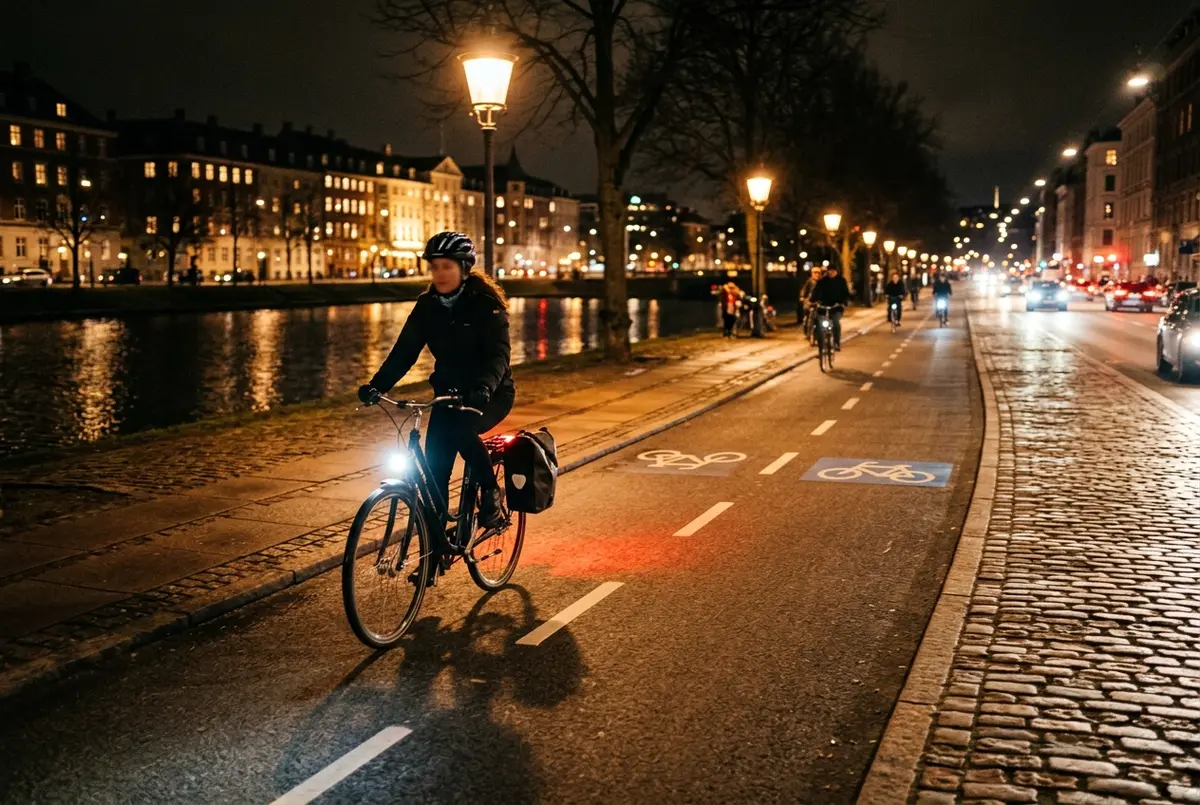
Is it safe to cycle in Copenhagen at night? For almost every visitor, yes, and I would not hesitate to book an evening ride or stay out past dark on a rented bike here. Copenhagen’s main cycling routes carry real streetlight coverage, locals use them constantly after sunset, and the city’s low violent-crime rate extends to its bike lanes. That said, “safe” is not the same as “identical to daytime,” so this guide walks through the actual lighting rules, which routes genuinely stay well lit, and the handful of situations where I would be more careful.
Is Cycling at Night in Copenhagen Actually Risky?
Not in any way that should stop you from doing it. Copenhagen consistently ranks among the safest capital cities in Europe for cyclists, day or night, and the bike lanes themselves are separated from car traffic, which removes the single biggest night-cycling risk you would face in a less bike-friendly city. I would rate the real risk as low, closer to “pay attention” than “be worried,” since the danger here is distraction or an unlit side street, not crime.
Check prices & dates
Ready to visit?
Book your tickets in advance: popular time slots sell out.
What Does Danish Law Actually Require for Bike Lights at Night?
A white front light and a red rear light, both visible from a reasonable distance, are legally required on any bike ridden after dark or in poor visibility. Reflectors on the pedals and wheels are also required by law, and police do occasionally stop and fine cyclists riding without lights. I would check your rental bike’s lights before you leave the shop, since most rental and tour bikes already meet this standard, but it is worth a quick glance rather than assuming.
Which Routes Actually Stay Well Lit After Dark?
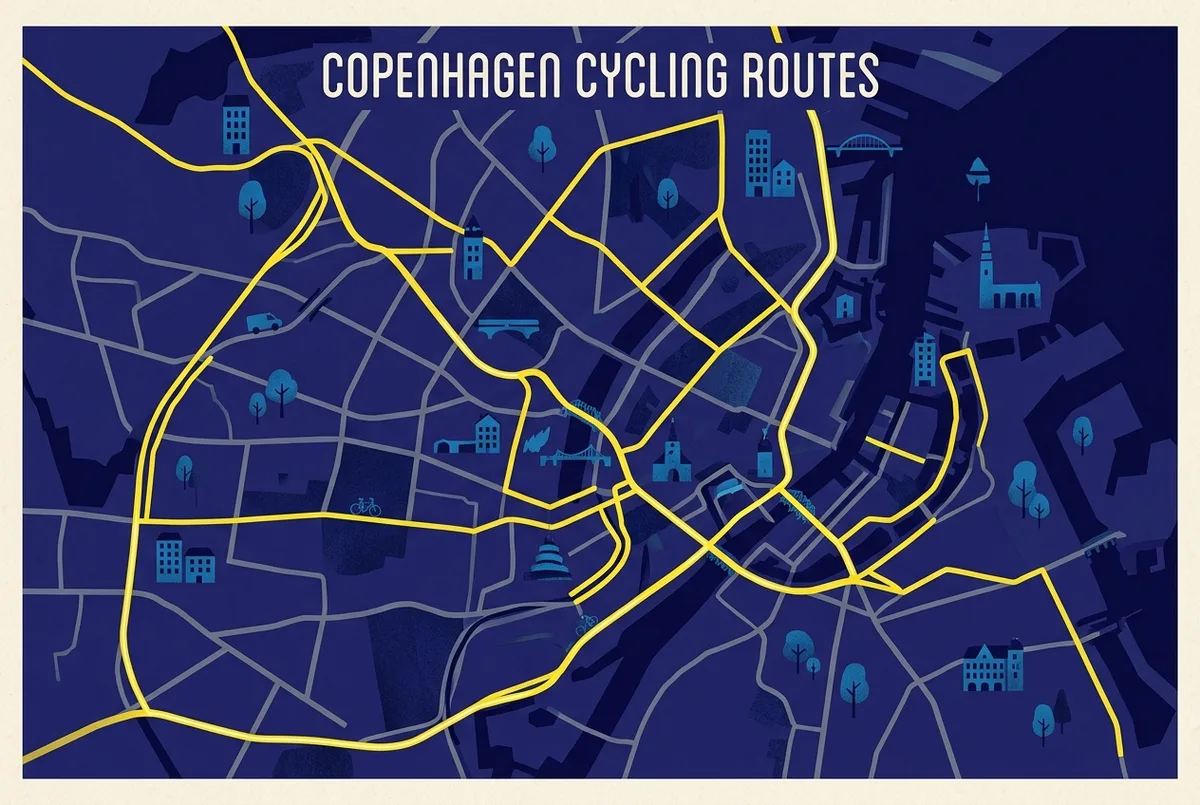
The main cycling superhighways and any route running alongside a major street are lit to the same standard as the road itself, which covers almost every route a visitor would use between downtown sights, a hotel and a restaurant. Smaller residential streets and park paths get noticeably dimmer, and a handful of harbor-side and park routes have real unlit stretches. I would stick to the main lanes after dark, especially on a first visit, and save the quieter park paths for daylight hours when you can actually judge the surface and any drop-offs.
Is Copenhagen’s Crime Rate Actually Low, or Is That a Myth?
It is genuinely low by capital-city standards, and it holds up specifically for the kind of casual street crime that would worry a cyclist riding home at 11pm. Violent crime against pedestrians or cyclists is rare, and most visitors report feeling comfortable walking or riding through the central neighborhoods well after dark. I would not pretend Copenhagen is risk-free, since any city has occasional pickpocketing or opportunistic theft around nightlife areas, but the bike-specific risk is close to the lowest you will find in a major European capital.
Do Locals Actually Cycle at Night Themselves?
Constantly, and that is probably the single best evidence the city is safe to ride after dark. Commuters heading home from work, students returning from evening classes and people out for dinner all treat a night ride as completely unremarkable, which is a different signal than a tourism board simply telling you it is fine. I would take my cue from that normalcy, rather than any single statistic, since a city where half the population bikes after dark every single day has clearly already solved the obvious safety problems.
Should You Avoid Any Specific Areas or Routes at Night?
A few, mostly around nightlife zones late on weekend nights, where bike lanes get crowded with pedestrians weaving between bars and taxis idling across the path. I would also avoid cutting through quieter parks like Fælledparken after midnight purely because they are unlit and empty, not because of any specific reported danger there. The honest advice is to treat empty, unlit space the way you would in any city, favoring a longer route on a lit main street over a shortcut through a dark park, regardless of how safe Copenhagen’s overall reputation is.
What About Cycling Home After a Late Dinner or a Bar?
Completely normal, and one of the more common night rides visitors end up taking. I would just be honest with myself about alcohol, since Denmark does enforce cycling-under-the-influence rules and a wobbly ride home on an unfamiliar bike in an unfamiliar city is a worse combination than most visitors expect. I would walk a short distance rather than cycle if I had had more than a drink or two, since the bike will still be there in the morning and a fall on a cobblestone street is a far more likely injury than anything crime-related.
Does Weather Change the Night-Cycling Picture?
Yes, more than darkness itself does. Wet or icy pavement at night is harder to spot than in daylight, and Copenhagen’s cobblestones in older neighborhoods get genuinely slick in rain. I would slow down and give myself more stopping distance on a wet night ride, rather than assume my daytime riding pace translates directly after dark, since visibility of a puddle or a loose cobble matters more than visibility of other people.
Is It Different for Solo Travelers Compared to Groups?
A little, mostly in how it feels rather than any real difference in risk. Riding solo after dark in an unfamiliar city naturally feels less relaxed than riding with company, even where the actual safety numbers are the same either way. I would stick to well-lit main routes more strictly when riding alone, simply because a group has more eyes on the road and more confidence finding the way, which matters more for comfort than for genuine safety.
Should a First-Time Visitor Plan a Night Ride at All?
I would, honestly, at least once. A ride along the harbor or past the illuminated spires of the old city after dark is one of the more memorable ways to see Copenhagen, and the city’s cycling infrastructure makes it genuinely approachable even for someone who has never ridden at night anywhere else. This fits into the wider transport picture covered in my getting around Copenhagen guide, which is worth reading first if you have not settled on cycling as your main way to get around yet.
Does This Change if You’re Arriving or Leaving Late?
Somewhat, though the answer still leans toward transit rather than a bike for that specific leg. My Copenhagen airport to city center guide covers why I would take the Metro straight off a flight regardless of the hour, since an unfamiliar first ride with luggage is a different risk profile than an evening ride once you already know the city.
Does the Season Affect How Much Night Riding You’ll Actually Do?
Significantly, since Scandinavian daylight swings hard across the year. In deep winter, “night” starts mid-afternoon, which means far more of your riding happens in the dark whether you plan for it or not, while summer evenings stay light until quite late. My best time to visit Copenhagen for cycling guide breaks down daylight hours month by month, which I would check before assuming your trip will look like the postcard summer-evening version of this city.
Do Crowds or Holidays Change the Night-Riding Experience?
Yes, mainly around nightlife-heavy holiday weekends when bike lanes near bars and squares get genuinely congested after dark. My Copenhagen holidays and crowd calendar guide flags exactly when that happens, which I would check against your travel dates if an evening ride is part of the plan.
Does Wearing a Helmet Matter More at Night?
A little, mostly for visibility rather than impact protection. Denmark has no legal helmet requirement for adults, but my helmet laws and safety tips guide covers correct bike fit and the hand signals locals expect, both of which matter more when visibility is already reduced after dark. I would treat a helmet as a reasonable extra precaution for a night ride, even though the law does not require one.
So What Would You Actually Do?
Ride at night without much hesitation, stick to the main lit routes, make sure the bike’s lights actually work before I leave, and slow down if it has rained. I think the real safety work here is 90% already done by Copenhagen’s infrastructure, and the remaining 10% is just ordinary common sense you would apply cycling after dark anywhere.
Frequently Asked Questions
Do I need lights to cycle at night in Copenhagen?
Yes, a white front light and red rear light are legally required after dark, and police do check.
Is it safe for a solo traveler to cycle at night in Copenhagen?
Generally yes, though I would stick to well-lit main routes rather than quiet side streets or parks when riding alone.
Are Copenhagen’s bike lanes lit at night?
Main routes and cycling superhighways are well lit; smaller residential streets and park paths can be genuinely dark.
Is Copenhagen cycling at night safer than in most other capital cities?
Yes, by most measures. Low crime rates and protected, well-used bike lanes make it one of the more comfortable capitals to ride after dark.
For a deeper look at how the infrastructure behind this works, the Cycling in Denmark overview on Wikipedia covers the lane network and safety record in more detail.
Want a ride that handles the route planning for you? Book the Copenhagen Highlights Bike Tour from EUR 53 and let a local guide pick the well-lit way through the city, day or evening.